
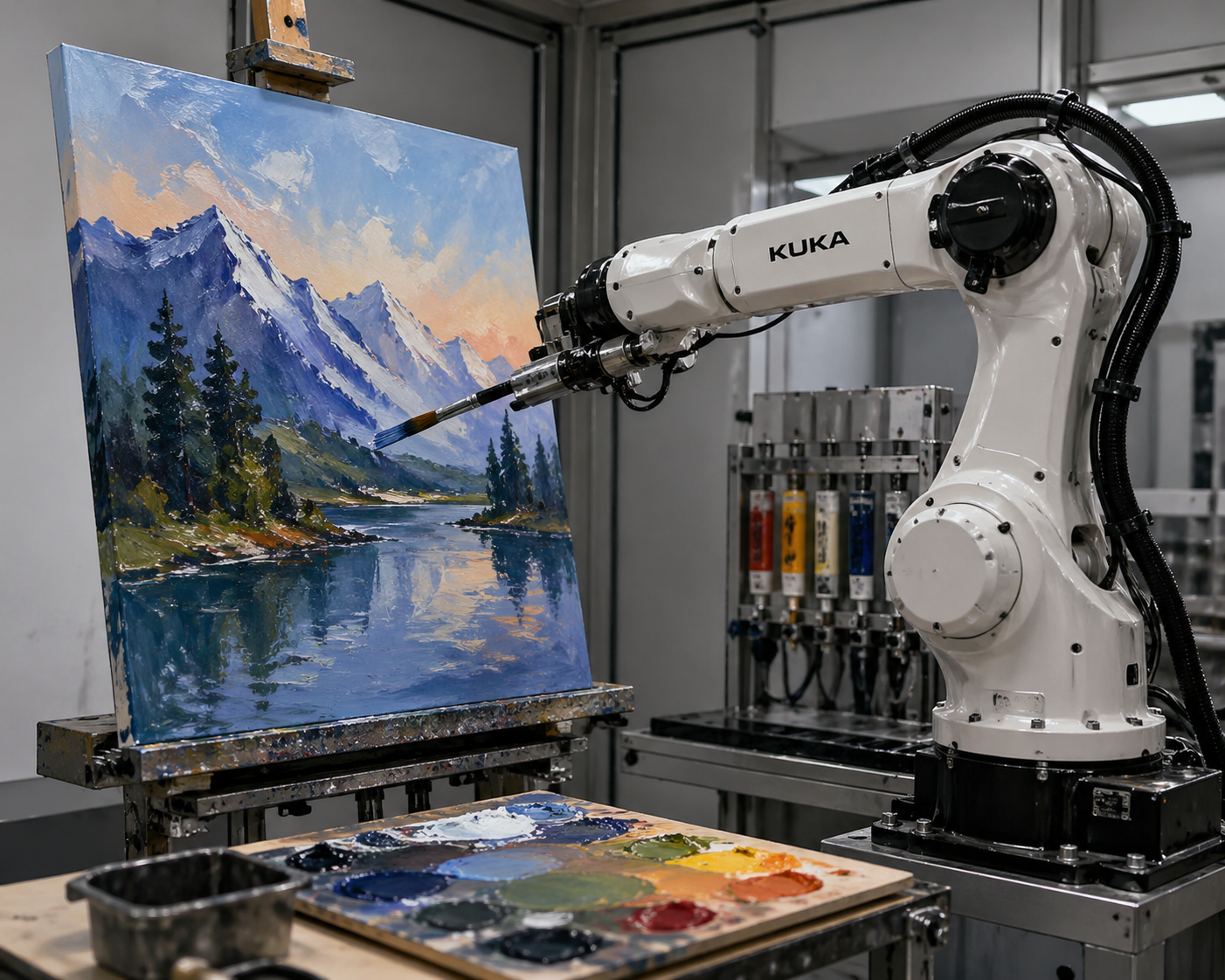
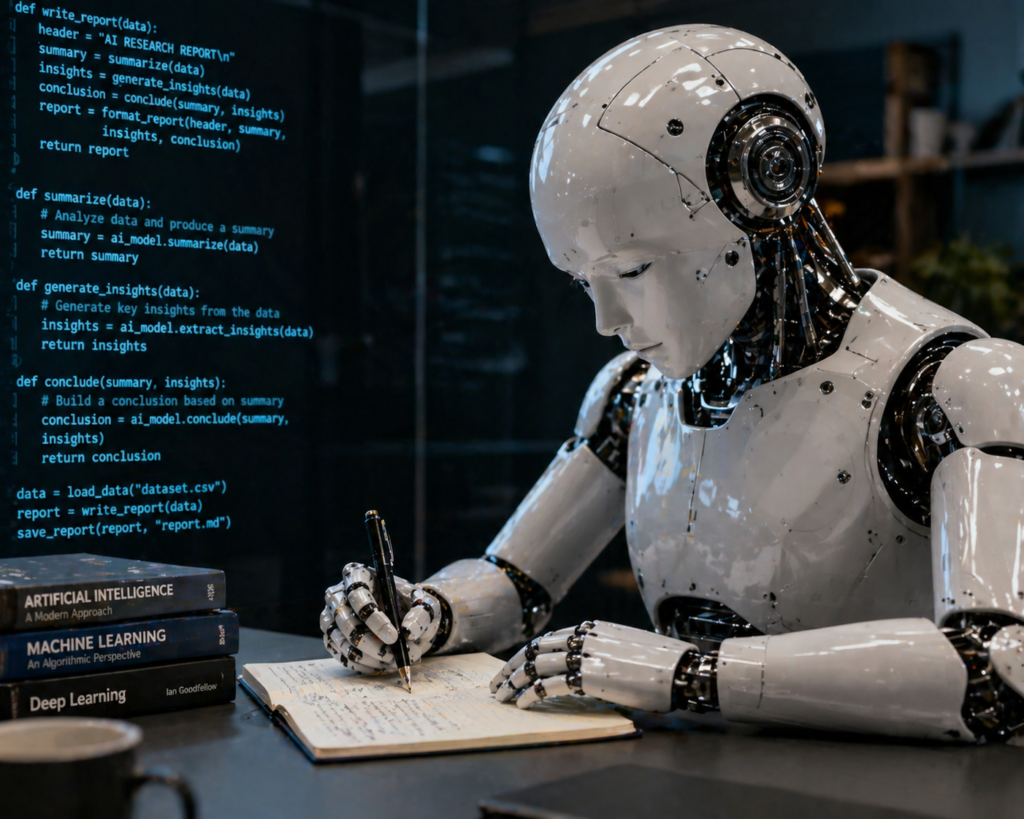
The workplace is no longer simply evolving. It is being re-coded. Artificial intelligence has stopped behaving like a tool and started operating like
infrastructure—silent, embedded, and increasingly decisive. It does not arrive with spectacle. It
arrives with efficiency. And efficiency, in today’s economy, has become the most persuasive
argument of all. At The Walt Disney Company, the shift is visible in the machinery behind storytelling. Animation
pipelines, visual effects processes, and production workflows are being restructured through AI- assisted systems. What once required large creative teams is being compressed into faster, leaner production cycles. The output remains polished. The workforce, however, is changing
shape.
At Meta Platforms, the transformation is more direct. AI now manages vast segments of
content moderation, advertising systems, and behavioral analytics. Tasks that once demanded
human interpretation are increasingly handled by models trained to recognize patterns at scale. The result is operational speed—but also a quiet reduction in human roles. This is where the narrative becomes uncomfortable. Because the official language is still optimism—innovation, optimization, transformation.
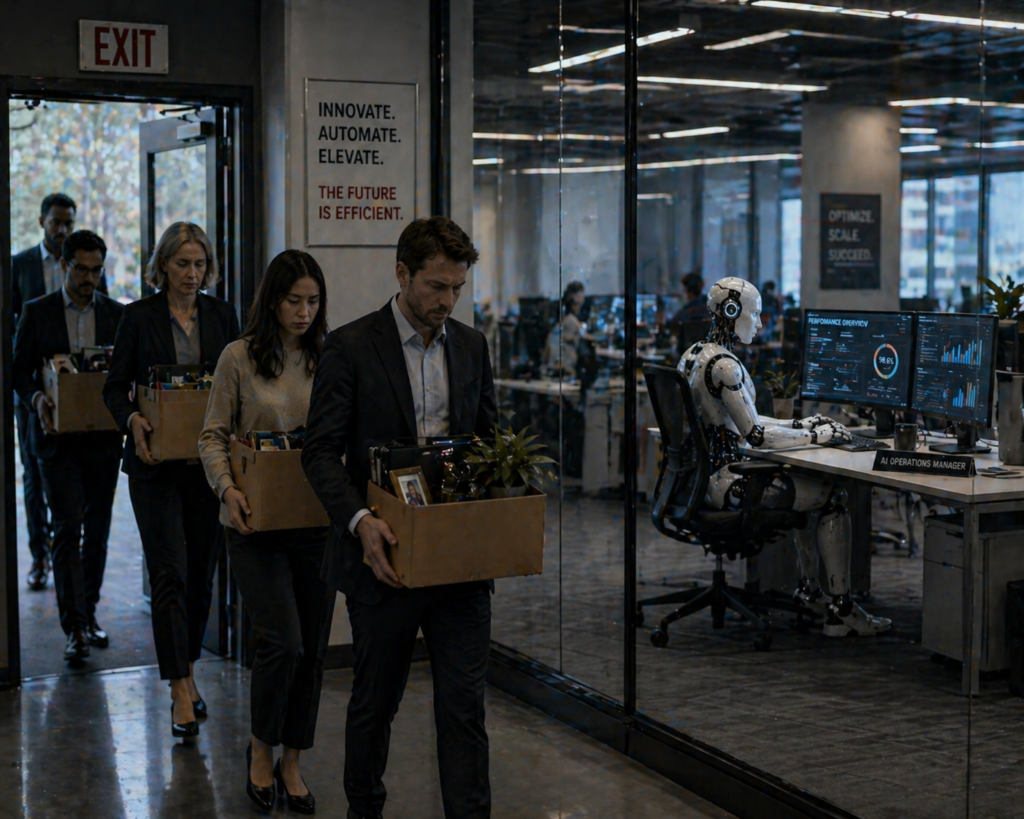
But on
the ground, the experience is different. It is contraction dressed as progress. One anonymous creative describes the moment with caution, noting that the scale of
investment behind AI systems is difficult to ignore. “It doesn’t feel like a simple upgrade,” they
explain. “It feels like a restructuring of what work is meant to be.” There is also a growing concern about how seamlessly AI is being absorbed into creative tools. Platforms such as Adobe have integrated generative features directly into their ecosystems, making adoption almost automatic rather than optional. “That’s where it becomes complicated,” the creative adds. “Once it’s built into the process, it
stops feeling like a choice.” Yet the perspective is not purely oppositional. There is acknowledgement that AI, in controlled
settings, has functional value. Faster workflows. Reduced technical barriers. Increased
accessibility. But the concern sits elsewhere: ownership. If AI systems are trained on vast amounts of existing creative work, the question of authorship
becomes less abstract and more urgent. What is being generated—and what is being extracted?
And beneath that sits a quieter fear: displacement not as an event, but as a process. Gradual, distributed, difficult to pinpoint until it has already happened. Entire categories of work are being redefined. Writing, design, analysis—fields once anchored in
human judgment are now being measured against systems that produce output at scale. Not
necessarily better. Just faster. And in a system optimised for speed, speed often wins. Still, new roles are emerging. AI specialists, data strategists, ethics consultants. But they require
a different kind of literacy—technical, adaptive, and increasingly specialised. Those who begin
building that fluency early, who learn how to work alongside systems rather than beneath them, are already repositioning themselves inside the new economy. The transition is not universal. It is selective. It rewards those who understand that relevance is
no longer static—it is maintained through continuous adaptation, through questioning how tools
are used, trained, and governed. So the question returns, sharper now:
When machines create, where do humans go?
The answer is not disappearance. Not yet. But repositioning is already underway. Some will move into new systems. Some will adapt existing skills. Others will find themselves
increasingly distant from the structures that once defined their careers. This is not a clean break. It is a slow redistribution of labour, visibility, and value. And just when it feels like the shape of work is becoming familiar again, it shifts—quietly, almost
imperceptibly—into something else entirely..
Leave a Reply